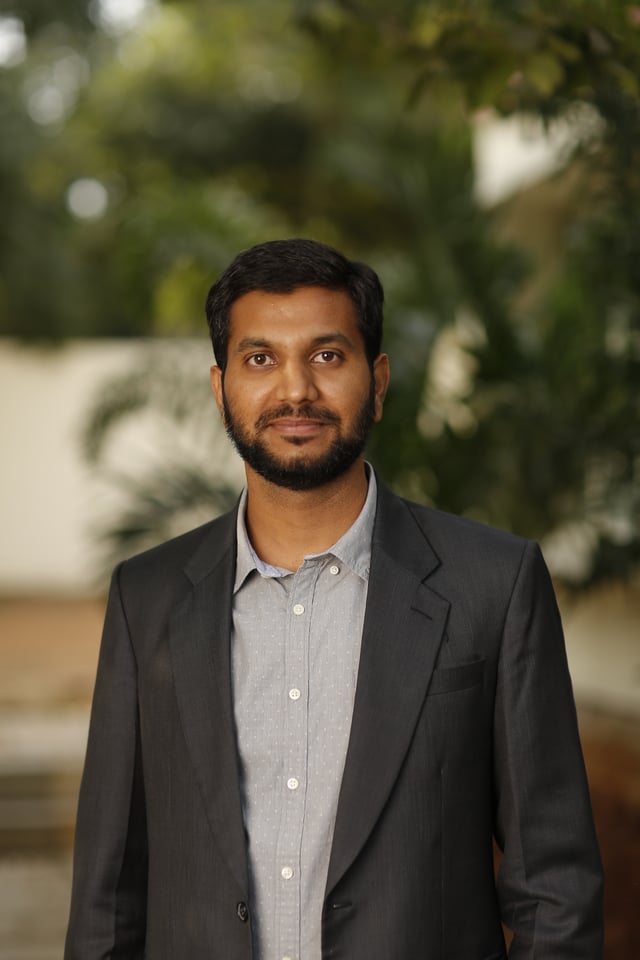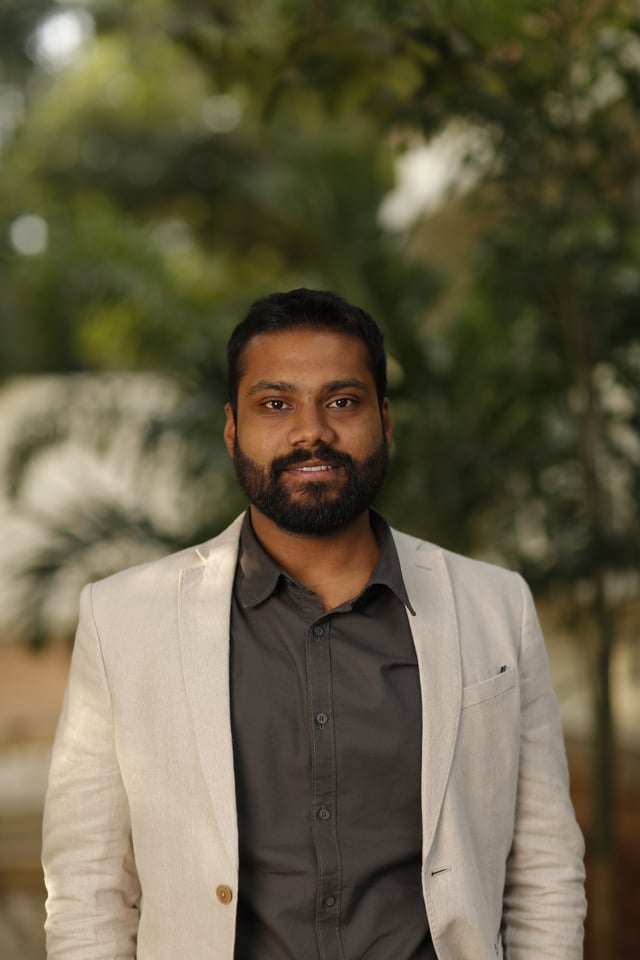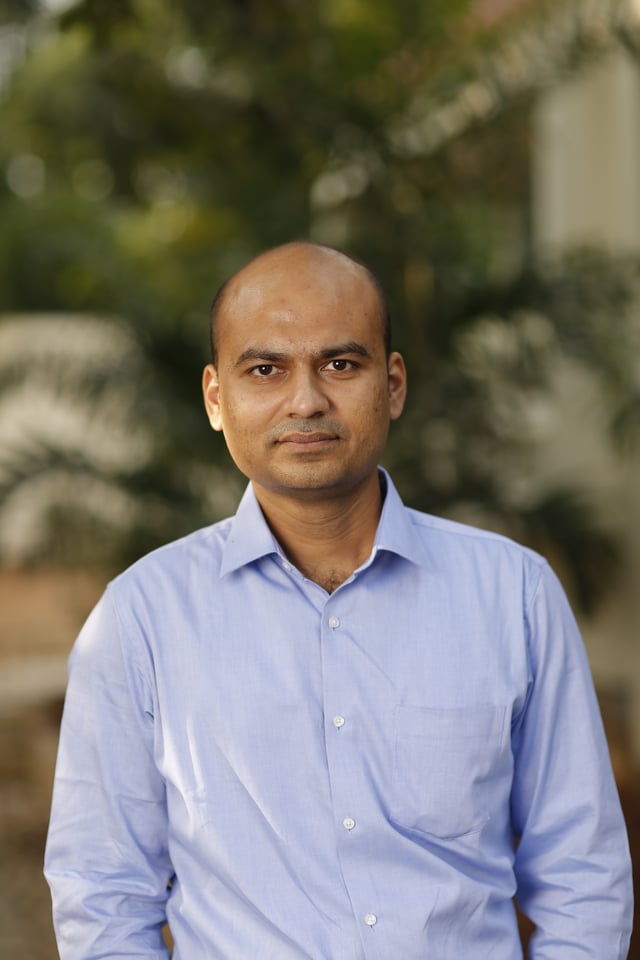
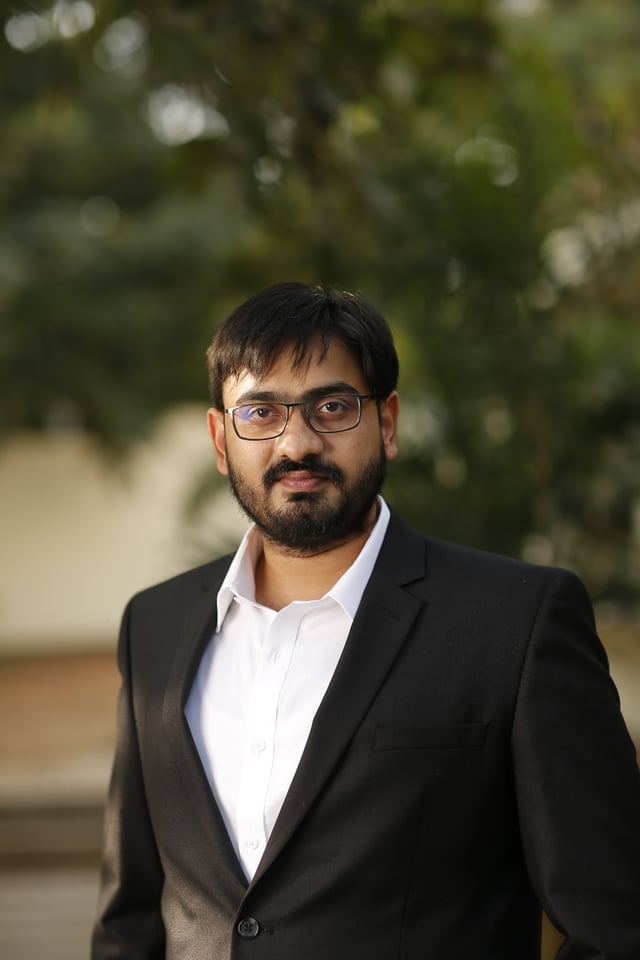
K. Sri Harsha
IIT Kanpur
Founder & Managing Director
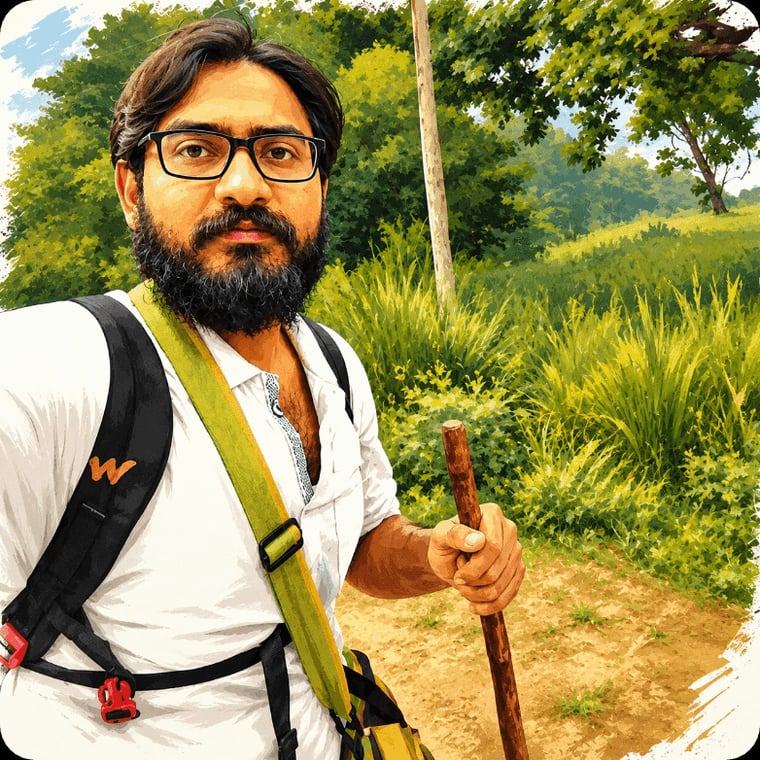
In 2018 and 2019, K. Sri Harsha — founder of Kritsnam and an IIT Kanpur graduate in Civil Engineering and Water Resources — walked 930 km over 92 days, tracing the Ganga from Gangasagar to Farakka, from Haridwar to the four Himalayan Dhams, and later from Haridwar to Prayagraj.
He stayed in ashrams and villages, walked through farms and riverbanks, and listened to farmers, fishermen and families whose lives depended on the river. Along the way, he saw both the grace of the Ganga and the consequences of neglect: polluted drains, contaminated groundwater, declining river depth and aquatic life, and water being used without any clear understanding of how much was available or consumed.
The journey revealed a simple truth: people can protect water only when they can see and understand their own use. Dhaara Pulse carries that insight into everyday life — making household water consumption visible, helping families identify waste and build a more conscious relationship with every litre they use.
From a college project to a funded startup
The thesis ended with a working demo — a low-cost water level and quality analyzer Harsha built to prove that field-grade instrumentation didn't have to cost a fortune.
That demo was the company.
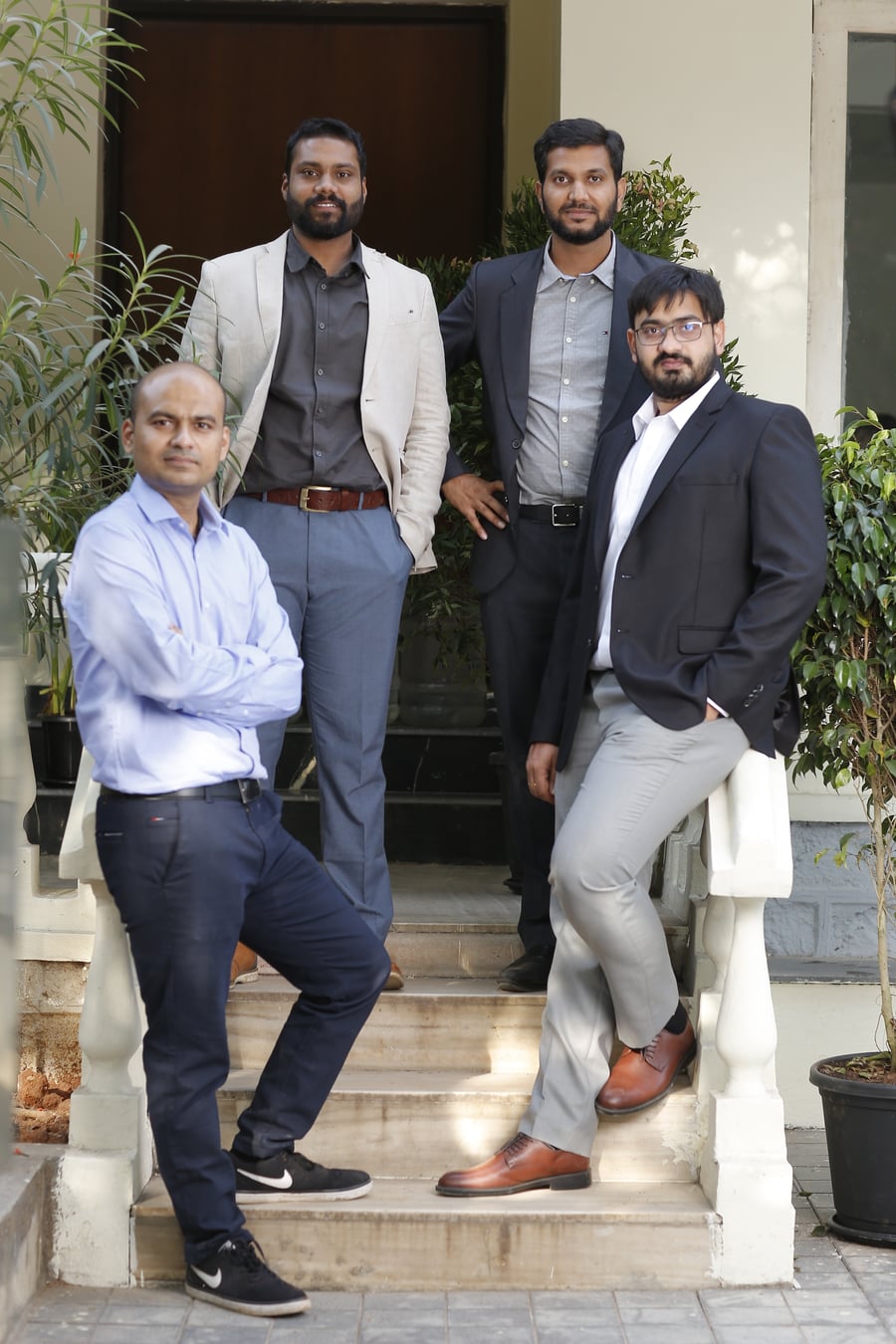
In November 2015, Prudhvi, Vinay and Harsha founded Kritsnam. By mid-2016 they were incubated at SIIC, IIT Kanpur.
They took the demo to the Central Water Commission. The CWC had already tried automation — imported boxes with exposed solar panels and batteries. The panels were stolen. Repairs needed engineers flown in from abroad. Nearly 80% sat dead.
“If you give us the same solution, we will not be able to take it.”
So the CWC wrote their design brief for them. Ten times smaller. Nothing worth stealing. Clean, usable data.
No venture capitalist would fund water. Government grants carried them instead.
Twenty-five sensors went live on the Ganga in 2017. Then came radar — ₹3–4 lakh in the market. Kritsnam built theirs for under ₹80,000. In the 2021 Uttarakhand flash floods, that data reached the Prime Minister's Office.
The college project had grown up.
Kritsnam, in Sanskrit, means the whole. Not a part. Not a sample. The entire thing, seen at once.
The founders chose it because that is what water demands. A river is not a river — it is snowmelt and aquifer, soil and rain, farmer and factory, all moving as one body.
Measure a fragment and you learn nothing. Measure the whole and the system finally speaks. Every instrument Kritsnam builds is an attempt to see water whole.
That is the name, and that is the work.

The Ganga walk taught us that people cannot protect water they cannot see. Dhaara Pulse was built to make that visibility part of everyday life.